
Country dossier · Living
🇪🇸 Spain
Living guide: real net salary, cost of living, taxes, health and quality of life, with source for every figure.
- Region
- Southern Europe
- Capital
- Madrid
- Languages
- Spanish (Castilian), with Catalan, Galician, and Basque regionally
- Currency
- Euro (EUR)
- Population
- ≈ 49.1 million
- Time zone
- UTC+1 (CET)
- Blocs
- EU + Schengen (eurozone)
Spain hides a trade-off that most comparisons oversimplify: nominally lower salaries than Western Europe's average, but a proportional cost of living that leaves more real purchasing power than it appears on paper. Those who move to work in Spain often discover quickly that going out at night, traveling, or saving money is more accessible than in markets that pay more. Weekly quality of life is high, the climate is a structural advantage, and the work environment tends toward the more relaxed side. The point of attention is the labor market: there is structural youth unemployment, a concentration of positions in Madrid and Barcelona, and less upward salary mobility than in northern economies.
Spain at a glance
Languages and regions
Spain has one official language across its territory, Spanish (Castilian), but each region has its own language or co-official dialect that is culturally strong. Catalan is official in Catalonia, Valencia, and the Balearic Islands; Galician is the everyday language in Galicia; and Basque is spoken in the Basque Country and Navarre. For those moving to work, Spanish is sufficient, and English works in sectors like technology, tourism, and education. Outside of work, access to social life depends more on willingness to learn the local language of the region: this matters more in Barcelona or Bilbao than in Madrid, which is more cosmopolitan.
Climate and geography
Spain is a country of strong climatic contrasts. The south and east have Mediterranean climate, with mild winters and hot, dry summers, especially in Andalusia and the Costa Brava. The north, on the Atlantic front, is greener and rainier, with wetter winters. Madrid, inland, has a continental climate, with very hot summers and cold winters. This diversity makes the experience of living in Spain vary greatly depending on the region: Barcelona and Valencia offer beaches and mild climate year-round, Bilbao is closer to the Nordic standard, with green landscape, and Madrid is urban and continental, with striking spring and autumn.
What the country lives on
The Spanish economy is based mainly on services: tourism, commerce, finance, education, and technology account for most jobs in major cities. Agriculture remains relevant in regions like Andalusia and Castile, particularly in the production of olive oil, wine, and fruit. The industrial sector is less dominant than in Germany, but there is a consolidated presence in automotive, chemicals, and energy. Salaries in the public sector and in multinationals tend to be higher, while small and medium-sized enterprises, which form the bulk of the economic fabric, offer less opportunity for high income. Foreign investment has grown over the last decade, especially in technology, but has not yet matched northern European salary levels.
Education
The Spanish public education system is free, universal, and of reasonable to good quality. Public and private schools coexist, and private schools have affordable costs by international standards. Public universities offer courses in Spanish, with a growing offering of master's degrees in English, especially in Madrid and Barcelona. The system is internationally recognized, but has bottlenecks: historically insufficient investment and regional disparities in quality. For families with children, the public system is viable and reliable, and those needing an international curriculum find options in major cities, at higher cost.
Culture and integration
Spanish culture highly values time outside of work: long family meals, going out at night, taking walks, conversing. This social dimension has low cost (bars, restaurants, and nightlife are much cheaper than in other European capitals) and is a genuine part of daily life, not a tourist luxury. The immigrant community is significant in major cities, with concentrations of Latin Americans, Moroccans, and Northern and Eastern Europeans. This facilitates initial integration, but deeper social integration still depends on personal initiative and local language. Work is viewed more as a means than as a central identity, which opens space for quality of life, although it also means less career acceleration than in more professionally competitive cultures.
Fun facts
- Spain has one of the highest densities of small and medium-sized businesses per capita in Europe, reflecting a distributed economy with lower income concentration than in more centralized economies.
- The midday break is still common in many Spanish companies, with afternoon hours beginning between 2pm and 3pm.
- Spain's major cities have modern and accessible metro systems, which makes car-free living easier in Madrid, Barcelona, and other regional capitals.
- Immigration and cultural diversity have grown significantly in recent decades, making Spain much more cosmopolitan than it was thirty years ago.
- Between national and regional holidays, Spain's calendar adds up to nearly 15 business days off per year.
Net salary, summarized
Source: national medians (OECD/Eurostat) + calculator formulaJust to show the ballpark of what you earn. Tax and cost of living take a chunk. Three sample professions, junior to senior. The full calculation, for your role, level, family, and currency, is the Living calculator.
| Profession | Junior | Mid | Senior |
|---|---|---|---|
| Software developer | US$ 2.513 | US$ 3.071 | US$ 4.522 |
| Financial analyst | US$ 1.951 | US$ 2.390 | US$ 3.539 |
| Nurse | US$ 1.759 | US$ 2.157 | US$ 3.200 |
Estimated net monthly, after progressive tax, in dollars (site base). Calculate for your role, level, and currency →
Cost of living, what you actually keep
Source: basket for couple + 2 children (Numbeo) + local health and school rules| Housing (rent)≈ 36% of cost | US$ 1.296 |
| Food | US$ 829 |
| Transport | US$ 346 |
| Utilities and internet | US$ 300 |
| Recreation and other | US$ 829 |
| Healthcare | US$ 30 |
| Children's schoolpublic viable for non-residents | included |
| Total cost per month | US$ 3.630 |
Spending pattern (housing + living only)
Local tax, health, and school rules change how much is left at month end.
Family and immigration
Visa and spouse work rules; local values estimatedQuality of life
Indices: GPI, PISA, WHO, WHR, Ookla, EF EPI, CPI (0 to 10)Life
Daily
Institutions
Verdict
It's worth it for those seeking high quality of life, pleasant climate, and managing a salary aligned to the local market or remote work abroad, where savings are excellent. Less worthwhile for those starting their careers or needing aggressive salary progression. Spain is generous with time, social connection, and leisure, and reasonably generous with money considering cost of living, but more stingy with professional ambition: it works better for those who have already achieved some stability or work remotely abroad. Real point of attention: structural youth unemployment, especially in Andalusia, concentration of well-paid positions in Madrid and Barcelona, and a labor market that rewards job changes less than in Nordic or Anglo-Saxon countries.
Complete guide: Spain
This page is the sample. The guide is the complete map.
Everything you saw here, deeper and actionable: from first visa step to moving day, sourced for every fact.
- Visa and sponsorship, step by step
- Cities and regions compared
- Health insurance: how to choose
- Retirement, taxes, and local rules
- Useful links: housing, bank, jobs
Imagine yourself here.
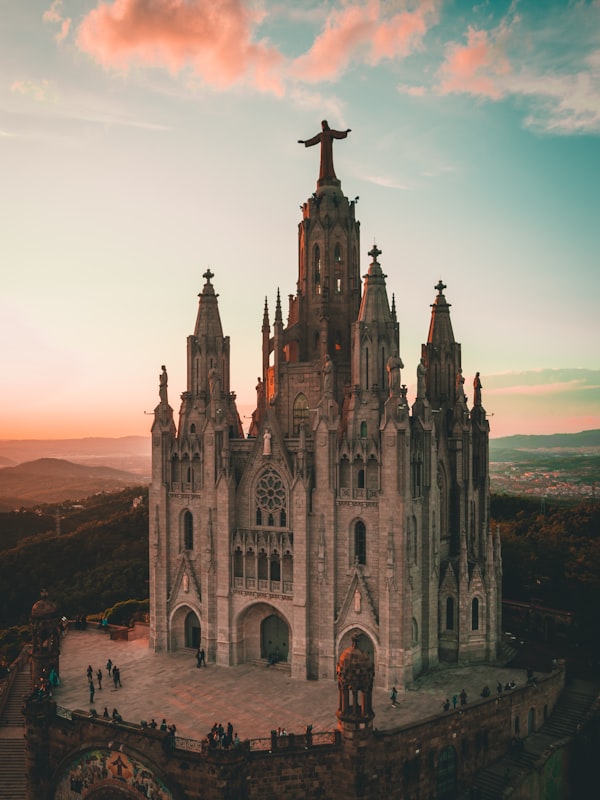
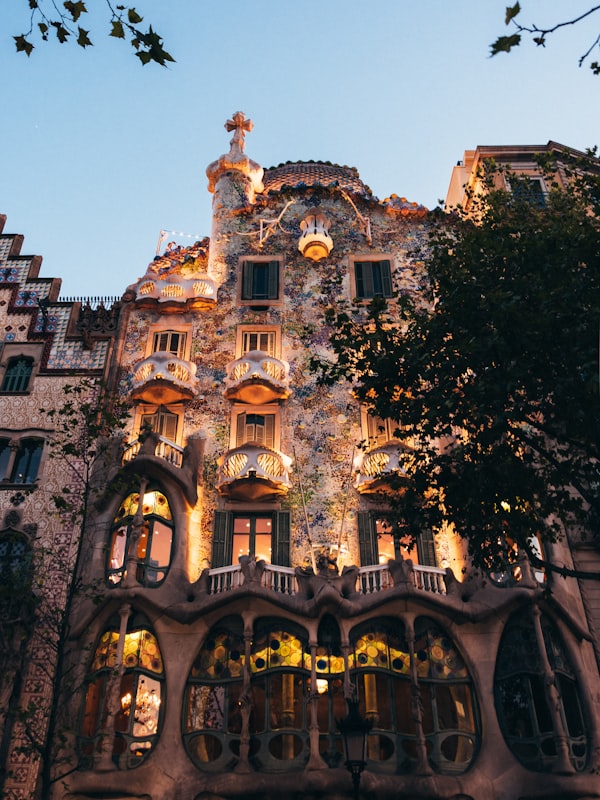
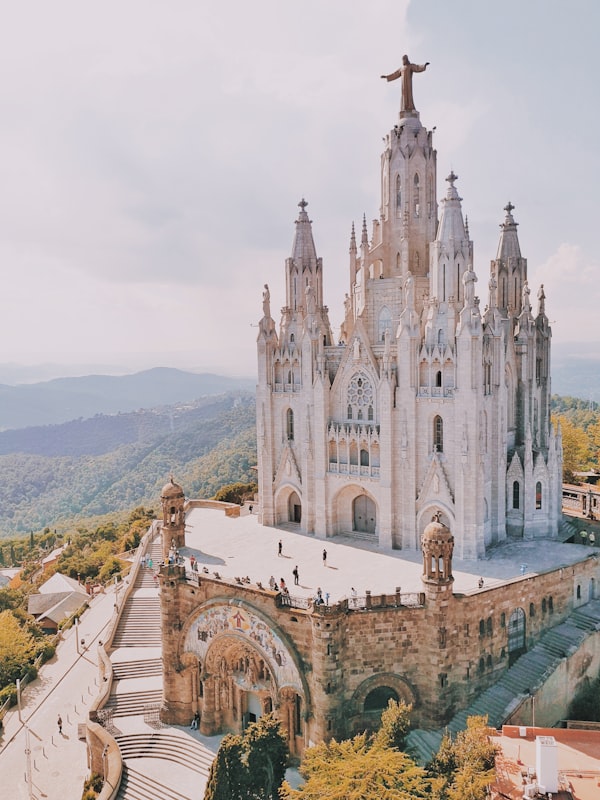
Photos: Theodor Vasile, Tomáš Nožina, Biel Morro · Unsplash
Frequently asked questions
Do I need to speak Spanish to work in Spain?
It depends very much on the sector and company. In technology, startups, and multinationals based in Madrid or Barcelona, it is common to work in English or in multilingual teams. In the public sector, education, and most small businesses, Spanish is required. Speaking Spanish expands options and typically opens access to better salaries; if the position is already sponsored by a multinational, English may be enough at work, but those seeking the local market gain a clear competitive advantage by speaking the language.
What is the work visa like for non-EU citizens?
Spain offers work visas through employer sponsorship, a process in which the company registers the position with the local employment authority. Processing time varies by region, generally taking a few months. There are also self-employment and investor visas for those wanting to start a business or work as a freelancer, with their own requirements. EU citizens have free mobility within Schengen.
If my spouse comes with me, can they work?
Yes, spouses and dependents of non-EU work visa holders can apply for family reunification visas, which typically include the right to work. The process goes through family reunification procedures, and some countries have bilateral agreements with Spain that facilitate the process. It's worth confirming specific conditions with the Spanish consulate before moving.
Why does the cost of living vary so much between regions?
Barcelona and Madrid, the two largest cities, have significantly higher housing costs than mid-sized cities and the interior. Rent in Barcelona typically exceeds that in Valencia or Seville, and Madrid is close to Barcelona in several neighborhoods. Small towns and less touristy regions have much lower costs. The trade-off is clear: large cities concentrate more job opportunities and vibrant social life, the interior offers more space and more financial surplus, but with less diversity of positions.
Ready to go beyond the summary?
View the complete guide: Spain