
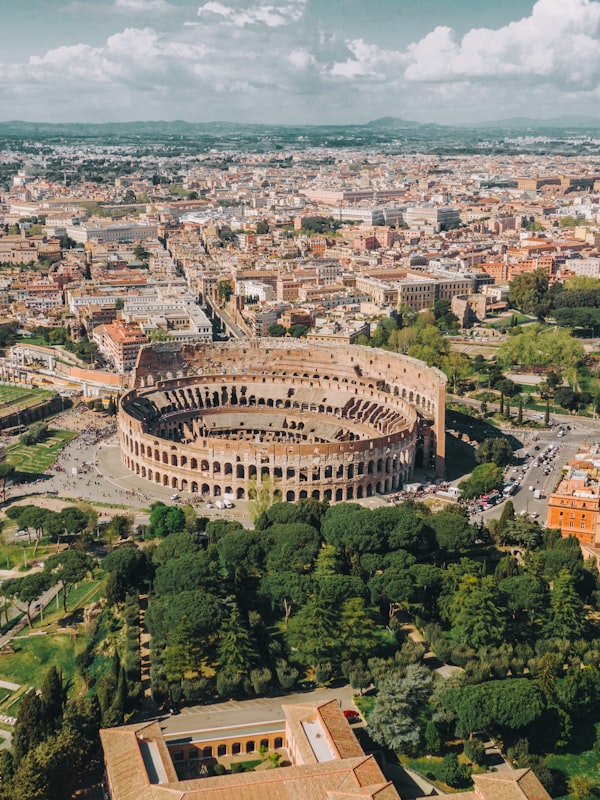
Country dossier · Living
🇮🇹 Italy
Living guide: real net salary, cost of living, taxes, health and quality of life, with source for every figure.
- Region
- South-Central Europe (Mediterranean)
- Capital
- Rome
- Languages
- Italian
- Currency
- Euro (EUR)
- Population
- ≈ 58.9 million
- Time zone
- UTC+1 (CET)
- Blocs
- EU + Schengen
Italy offers quality of life, culture, cuisine and pleasant climate at moderate cost compared to Western Europe. Local salaries are low, among the lowest in the EU. Bureaucracy is complex and slow. Learning Italian is necessary for work and integration. Worth it for those working remotely and valuing quality of life beyond salary, less for those depending on local income.
Italy at a glance
Languages and regions
Italian is the official language, and English is known among young people and professionals, especially in Milan, but with moderate penetration, so learning Italian is necessary for work and daily life outside tourist bubbles. The country has strong regional identities: the north, with Milan and Turin, is industrial and prosperous, the center, with Tuscany and Rome, is historic and touristic, and the south is less economically developed. Italian dialects vary widely among themselves.
Climate and geography
The climate varies a lot: the north is temperate continental, with Milan having cold winters, while the center and south are Mediterranean, with Rome, Naples and Sicily hot and dry in summer. The landscape is mountainous, with the Alps in the north and the Apennines in the center, plus spectacular coastlines like Amalfi, Cinque Terre and Sicily, and cities like Positano and Venice have a postcard look all their own.
What the country lives on
The economy is diversified, strong in fashion, with Milan as a global hub, design, tourism, agriculture, especially wine and olive oil, food and engineering. Salaries are among the lowest in Western EU, and the northern economy is much more robust than the southern one, with a substantial informal sector and bureaucracy that complicates business. Innovation is also lower than in northern European countries.
Education
Public education is accessible and free, and universities are cheap for EU citizens, though quality varies. Some have a strong reputation, like Bocconi in Milan and La Sapienza in Rome. The system is traditional, less innovation-focused than other European countries, and vocational education is an alternative track, less structured.
Culture and integration
Italian culture values family, community, aesthetics and quality of life, and work matters, but personal life comes first, with hierarchy clearly visible inside organizations. Bureaucracy is complex, slow and frustrating, to the point of becoming a local joke: in Italy everything is complicated, but it works. Integration for foreigners is friendly in big cities, and more challenging in small ones, where learning Italian is the key to fitting in.
Fun facts
- Italy has more UNESCO heritage than any other country, with historic cities (Rome, Venice, Florence) being treasures.
- Italian fashion is a global export, with brands like Prada, Gucci, Armani, Dolce & Gabbana and Versace known worldwide.
- Italian cuisine is part of the culture, and each region has its own dishes: pasta alla romana, risotto alla milanese, Neapolitan pizza.
- Italian bureaucracy is notorious for its complexity, to the point that a local joke says anyone who wants to get something done in a day should go to another country.
- The north-south divide is economic and cultural: the north, with Milan, has a more European profile, and the south, with Naples and Palermo, has strong Mediterranean influence.
Net salary, summarized
Source: national medians (OECD/Eurostat) + calculator formulaJust to show the ballpark of what you earn. Tax and cost of living take a chunk. Three sample professions, junior to senior. The full calculation, for your role, level, family, and currency, is the Living calculator.
| Profession | Junior | Mid | Senior |
|---|---|---|---|
| Software developer | US$ 2.573 | US$ 3.119 | US$ 4.506 |
| Financial analyst | US$ 2.016 | US$ 2.452 | US$ 3.572 |
| Nurse | US$ 1.823 | US$ 2.220 | US$ 3.244 |
Estimated net monthly, after progressive tax, in dollars (site base). Calculate for your role, level, and currency →
Cost of living, what you actually keep
Source: basket for couple + 2 children (Numbeo) + local health and school rules| Housing (rent)≈ 35% of cost | US$ 1.295 |
| Food | US$ 866 |
| Transport | US$ 361 |
| Utilities and internet | US$ 313 |
| Recreation and other | US$ 866 |
| Healthcare | US$ 40 |
| Children's schoolpublic viable for non-residents | included |
| Total cost per month | US$ 3.740 |
Spending pattern (housing + living only)
Local tax, health, and school rules change how much is left at month end.
Family and immigration
Visa and spouse work rules; local values estimatedQuality of life
Indices: GPI, PISA, WHO, WHR, Ookla, EF EPI, CPI (0 to 10)Life
Daily
Institutions
Verdict
Worth it for those working remotely for company outside Italy, where cost is moderate and quality of life is high. Climate, culture and cuisine compensate for bureaucracy. Worth less for those working locally: salaries are very low, among the worst in Western EU, making it difficult to save or invest. Learning Italian is essential. Point of caution: bureaucracy is complex and slow (frustrating), health system has pressure (especially in certain regions), professional integration is challenging if you don't speak Italian, local salaries leave little margin.
Complete guide: Italy
This page is the sample. The guide is the complete map.
Everything you saw here, deeper and actionable: from first visa step to moving day, sourced for every fact.
- Visa and sponsorship, step by step
- Cities and regions compared
- Health insurance: how to choose
- Retirement, taxes, and local rules
- Useful links: housing, bank, jobs
Imagine yourself here.
Photos: Spencer Davis, Jorgen Hendriksen, Gloria Cretu · Unsplash
Frequently asked questions
Do I need to speak Italian to work in Italy?
If you work remotely for a company outside the country, not necessarily, but if you work locally, Italian is essential, especially outside Milan. For daily life, the language is necessary.
What is Italian bureaucracy like?
It's complex and slow: registration, residence authorization, taxes, everything requires documentation, forms and multiple agencies, with long deadlines and redundant processes. But the system works for those who persevere, and patience becomes an essential virtue.
What is health like in Italy?
The public system, the SSN, is free for residents and funded by taxes, but quality varies by region, better in the north than the south, and wait times can be long. Private insurance is affordable, access depends on legal residency, and the system as a whole is under pressure.
What is housing cost?
It varies a lot by region: Milan, in the north, is expensive, with a room in the center between EUR 1,200 and 1,800, Rome is moderate, between EUR 900 and 1,300, and Naples is cheaper, between EUR 600 and 1,000. Outside big cities, it's much cheaper, and overall costs remain lower than in most European capitals.
Ready to go beyond the summary?
View the complete guide: Italy