
Tourism nights in the EU, 2025: where tourists sleep and how many come from abroad
Published
In 2025, guests spent 3,144.7 million nights in hotels, holiday rentals and campsites in the EU, 4.1% more than in 2024, and 48.9% of them were spent by people living in another country. Italy and Spain had the most nights. Here are the figures for the 27 EU countries, Norway, Switzerland and Türkiye.
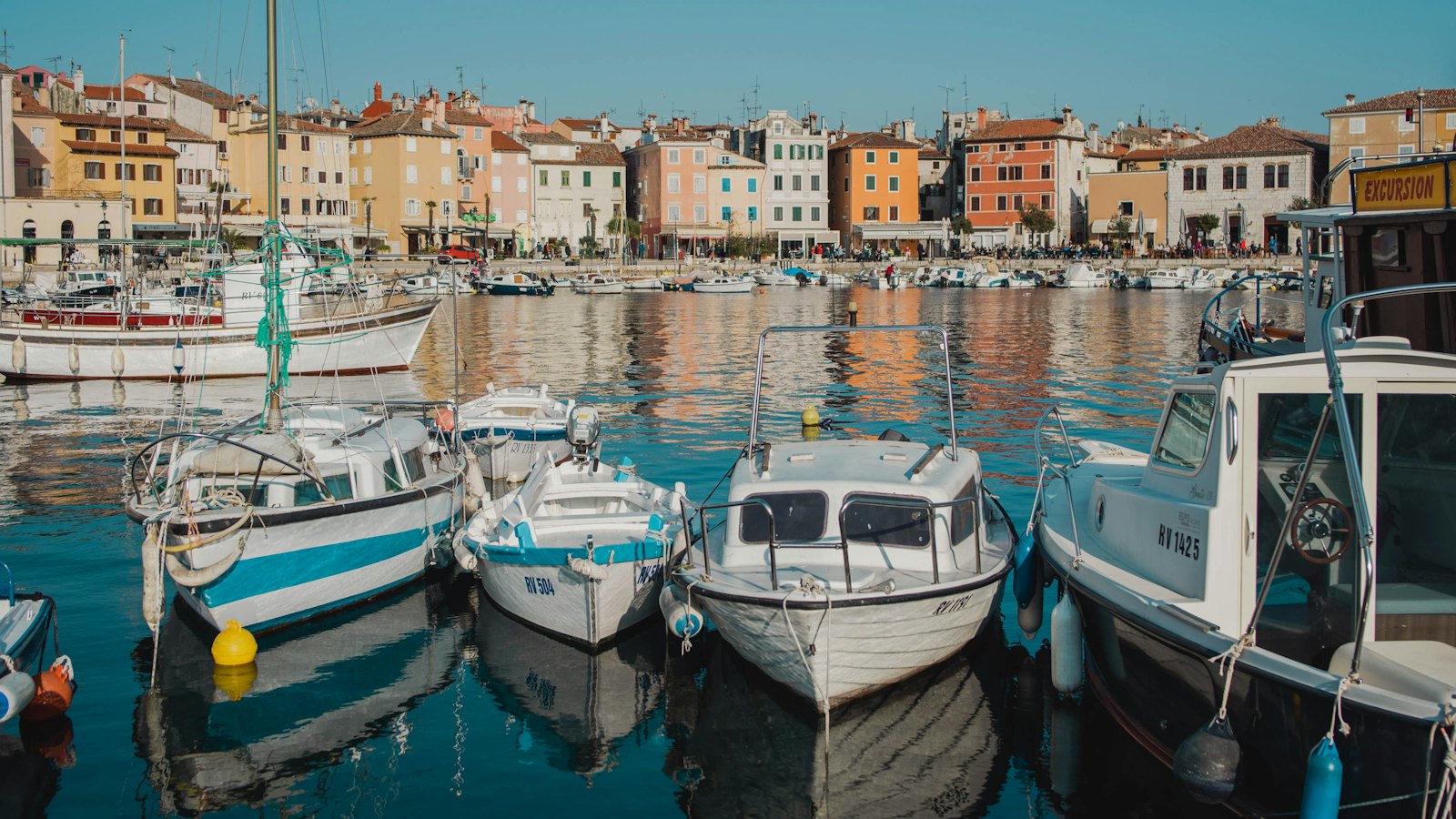
In 2025, guests spent 3,144.7 million nights in tourist accommodation in the EU, according to Eurostat, 4.1% more than the 3,021.9 million of 2024. Italy recorded the most, 535.5 million, followed by Spain (512.9 million), France (471.7 million) and Germany (440.2 million); together these 4 countries had 62.3% of all nights in the EU. Eurostat's data, last updated on 12 October 2026, have figures for 2025 for all 27 countries.
What the figures count
A night spent is, in Eurostat's metadata, each night a guest actually spends, sleeping or staying, in a tourist accommodation establishment.
A tourist accommodation establishment is a unit that provides short-stay accommodation as a paid service. The table covers 3 groups: hotels and similar accommodation, holiday and other short-stay accommodation, and camping grounds and parks for recreational vehicles and trailers.
What is not counted. Eurostat's article on the accommodation sector says these figures cover only rented accommodation and do not include stays in second homes, visits to friends and relatives, same-day visitors or stays at smaller establishments. Countries may leave out establishments with fewer than 10 bed places. The metadata add that the figures do not represent all domestic or inbound tourism, and that Eurostat publishes a separate series for accommodation booked through online platforms.
Non-residents are counted by where they live. Guests are classified by country of residence, not by citizenship: a resident is someone who has lived in a country for most of the past 12 months. A non-resident is anyone living outside the country visited, so a guest from a neighbouring EU country counts as a non-resident, and so does a citizen who lives abroad and comes back on a visit. Eurostat's article says that in 2025, 30% of all nights in the EU were spent by guests from other EU countries and 19% by guests from outside the EU.
The table
Nights spent in hotels, holiday and other short-stay accommodation and campsites, 2025, in millions, with the nights of non-residents and their share of the total.
| Rank | Country | Nights, mn | Non-res., mn | Non-res., % |
|---|---|---|---|---|
| 1 | Italy | 535.5 | 301.6 | 56.3 |
| 2 | Spain | 512.9 | 328.9 | 64.1 |
| 3 | France | 471.7 | 150.8 | 32.0 |
| 4 | Germany | 440.2 | 83.1 | 18.9 |
| 5 | Türkiye | 252.3 | 154.8 | 61.3 |
| 6 | Greece | 156.3 | 131.1 | 83.8 |
| 7 | Netherlands | 146.5 | 63.8 | 43.6 |
| 8 | Austria | 134.5 | 97.0 | 72.2 |
| 9 | Poland | 104.7 | 20.2 | 19.3 |
| 10 | Croatia | 94.8 | 85.6 | 90.3 |
| 11 | Portugal | 89.4 | 60.0 | 67.1 |
| 12 | Sweden | 65.6 | 17.4 | 26.6 |
| 13 | Switzerland | 62.0 | 29.1 | 46.9 |
| 14 | Czechia | 59.1 | 26.7 | 45.2 |
| 15 | Belgium | 46.1 | 23.4 | 50.6 |
| 16 | Ireland | 41.9 | 24.7 | 59.0 |
| 17 | Denmark | 40.9 | 17.1 | 41.7 |
| 18 | Norway | 40.6 | 14.2 | 34.9 |
| 19 | Hungary | 33.1 | 16.2 | 48.9 |
| 20 | Romania | 29.7 | 5.3 | 17.9 |
| 21 | Bulgaria | 28.8 | 16.1 | 55.8 |
| 22 | Finland | 23.3 | 7.2 | 30.9 |
| 23 | Cyprus | 19.1 | 17.7 | 92.8 |
| 24 | Slovenia | 17.8 | 13.3 | 74.9 |
| 25 | Slovakia | 15.6 | 5.4 | 34.7 |
| 26 | Malta | 12.5 | 11.8 | 94.3 |
| 27 | Lithuania | 9.4 | 4.2 | 44.8 |
| 28 | Estonia | 6.7 | 3.8 | 56.5 |
| 29 | Latvia | 5.0 | 3.1 | 61.8 |
| 30 | Luxembourg | 3.6 | 3.2 | 88.6 |
| EU | 3,144.7 | 1,538.7 | 48.9 |
Where most nights come from abroad
The share of nights spent by non-residents was highest in Malta (94.3%), Cyprus (92.8%), Croatia (90.3%), Luxembourg (88.6%) and Greece (83.8%). In all, 15 EU countries had more nights by non-residents than by residents. At the other end, residents of the country itself accounted for most nights in Romania, Germany and Poland, where non-residents had 17.9%, 18.9% and 19.3%, the only 3 EU countries below 25%. Outside the EU, Türkiye was fifth of the 30 countries by total nights, with a non-resident share of 61.3%.
Change since 2024
Of the 25 EU countries whose method did not change, nights rose in 23 and fell in 2, Luxembourg (2.7%) and Romania (1.7%). The largest rises were in Malta (10.2%) and Poland (7.2%). Eurostat's article notes that the 2025 figures for Italy and Lithuania are affected by a change in methodology with wider coverage, which for Italy means the inclusion of private rental accommodation managed on a non-entrepreneurial basis; their change since 2024 is not shown here, and Italy's first place should be read with this in mind. These figures show how countries compare, not why they differ.
What this can tell someone planning a move
More nights do not make a place better or more expensive to live in. The figures show where paid tourist accommodation is used most. For prices, see restaurant and hotel prices in Europe and the cheapest countries in Europe to live.
Notes on the data
- Not divided by population. The table shows totals and is not adjusted for the size of each country.
- United Kingdom. The table has no figure for the United Kingdom.
- Flags. Eurostat marks no flags on these 2024 and 2025 figures.
- Second source. Eurostat's article on annual results for the accommodation sector, with data extracted in October 2026, gives the same EU total, 3.14 billion nights, the same rise of 4.1%, the same 4 largest countries, the same non-resident share, 48.9%, and the same falls in Luxembourg and Romania.
Country profiles: Italy, Spain, France, Germany, Croatia, Greece, Romania, Poland and Türkiye.
Countries in this article
The guide is delivered in English. Portuguese, Spanish, French, German, Italian and Chinese versions are sent on request after purchase.
Related
Sources
- Eurostat. Nights spent at tourist accommodation establishments (tour_occ_ninat): NACE I551-I553, residents (domestic country), non-residents (foreign country) and total, number, 2024 and 2025 (data updated 12 October 2026). accessed .
- Eurostat. Tourism statistics: annual results for the accommodation sector (Statistics Explained), data extracted in October 2026. accessed .
- Eurostat. Occupancy of tourist accommodation establishments (tour_occ), reference metadata, including nights spent, tourist accommodation establishment, country of residence, thresholds and completeness. accessed .